Proper weighing is essential for quality, safety and for making profit in business. In order to guarantee continuous performance, a trusted industrial scale supplier offers not only the weighing equipment and also crucial calibration tools like test weights. To make sure that every measurement is exact and dependable, test weights are standardized masses that are used to calibrate and certify weighing devices. They are needed to preserve operational effectiveness and compliance from manufacturing to logistics.
Why do Test Weights matter and what are they?
Precision-engineered instruments called test weights are used to verify the accuracy of weighing devices. The efficiency of weighing systems can be slowed down as a result of mechanical wear, environmental factors or regular use.
*Regular use of test weights is beneficial:
- *Keep your measurements precise.
- * Early detection of deviations
- *Make sure you perform consistently.
- *Avoid expensive operational mistakes
Test weights are crucial for preserving efficiency and trust in any company that uses weight-based procedures.
Important Test Weight Uses
In many different industries, test weights are employed for a variety of reasons.
- 1)Scale calibration modifies weighing devices to provide accurate readings.
- 2)Accuracy verifies whether equipment is operating as intended without the need for recalibration.
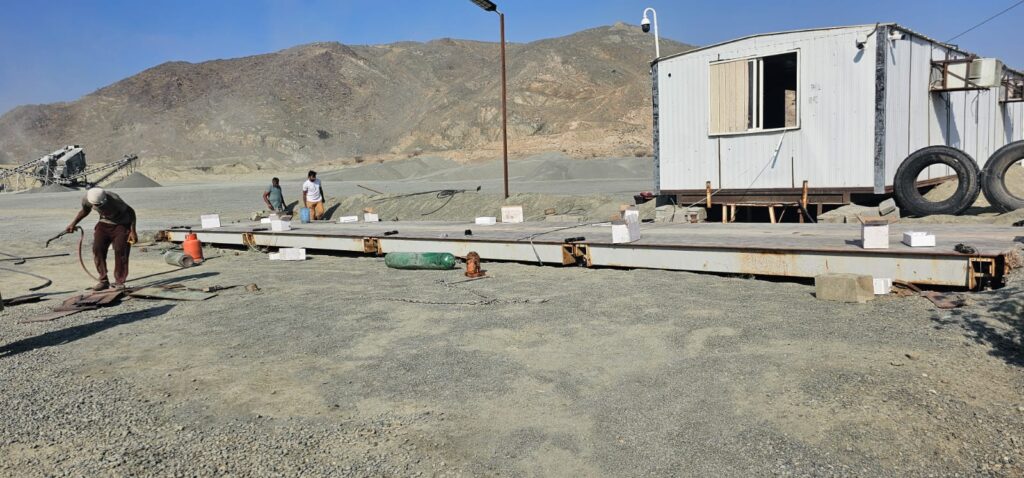
- 3)Weighbridge testing guarantees accurate findings from large-capacity equipment, such as truck scales.
- 4)Assesses load cells’ sensitivity and performance.
- 5)Regular Maintenance encourages routine inspections to prevent unplanned equipment breakdown.
- 6)Quality control makes sure that goods are produced and packaged in accordance with the necessary weight criteria.
High-quality test weights’ salient characteristics
Long-term dependability is ensured by selecting the appropriate product from a reputable industrial scale supplier. Key characteristics include of:
- 1)broad range of capacity (from grams to large loads)
- 2)International standards for high accuracy classifications
- 3)Sturdy and resistant to corrosion materials
- 4)Certified and traceable calibration
- 5)Long lifespan with little upkeep
- 6)Simple handling for commercial applications
Sectors That Gain from Test Weights
Test weights are crucial in a number of industries:
- Production and manufacturing
- Transportation and storage
- Food and beverage sector
- Labs and medicines/drugs
- Heavy industries and construction
For operational efficiency, safety and compliance, these sectors depend on accurate measurements.
.
Why Pick a Trustworthy Industrial scale supplier ?
- *A reliable industrial scale supplier provides certified test weights that meet international accuracy standards — ensuring your equipment is always compliant and audit-ready.
- *Experienced suppliers offer on-site calibration support and after-sales service — so you are never left without assistance when your equipment needs attention.
- *Trusted suppliers stock a complete range of test weights for every capacity and industry requirement — from laboratory gram weights to heavy-duty weights for truck scales and weighbridges.
- *A reputable industrial scale supplier makes sure of full traceability of calibration certificates which is essential for passing regulatory inspections and maintaining standards.
- *Long-term partnerships with established suppliers mean faster response times, genuine spare parts and consistent product quality you can rely on every day.
- For more info : HIRS Global
FAQ
What classes of test weights are available and which one does my business need?
Test weights are classified by accuracy grades — the most common being OIML classes E1, E2, F1, F2 and M1. For general industrial and logistics use, F1 and F2 class weights are sufficient. For laboratories and pharmaceutical industries, higher accuracy classes like E2 are recommended. A trusted industrial scale supplier will guide you to the right class based on your specific operations.
Can I use any test weight to calibrate my industrial scale?
No. Test weights must match the capacity and accuracy requirements of your specific weighing equipment. Using the wrong class or capacity of test weight can give inaccurate calibration results. Always source certified and traceable test weights from a reputable industrial scale supplier to ensure your calibration meets international and local regulatory standards.
What happens if I do not calibrate my industrial scale regularly with test weights?
Without regular calibration, your scale will gradually give inaccurate readings due to mechanical wear and daily use. This leads to financial losses, failed inspections and customer disputes. Regular calibration using certified test weights from a trusted industrial scale supplier keeps your operations accurate and compliant.