



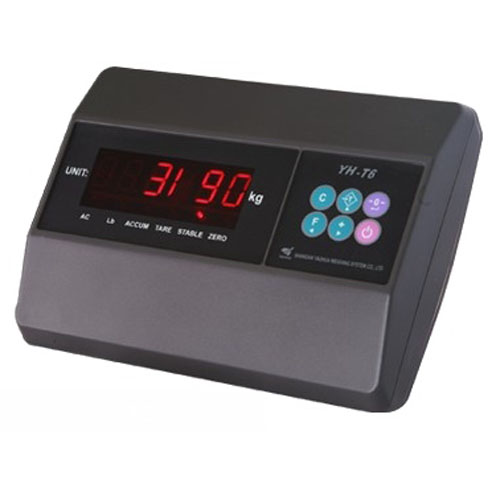
Every industrial facility that depends on accurate weight measurement knows that the scale platform is only half the story. The weighing indicator is the brain behind every reading — it processes the signal from the load cell, displays the weight and communicates data across your operation. Yet when businesses approach a static weighing system dealer for the first time, the indicator is almost always the last thing they think about. Choosing the wrong indicator not only affects accuracy, it also affects compliance, productivity and the long-term reliability of your entire operation.
What Does a Weighing Indicator Do?
A weighing indicator receives the electrical signal from one or more load cells and then converts it into a readable weight value and displays it on a screen. In modern industrial environments it does much more than that. Transaction records are stored in advanced indicators ,connect to printers and integrate with ERP software.
In a static weighing application, the indicator is where all measurement intelligence comes together. A poor quality or mismatched indicator can introduce errors even when your load cells and platform are perfectly calibrated. Every experienced static weighing system dealer will tell you that the indicator is not an accessory — it is the control centre of your entire system.
Things to consider when selecting a weighing indicator:
1. Compatibility With Your Load Cells
Not all indicators work with all load cell types. Before selecting an indicator, confirm the number of load cells it can support, the excitation voltage it provides and the input sensitivity range it accepts. A mismatch between the indicator and load cell specification is one of the most common and costly mistakes businesses make. Always check with a qualified static weighing system dealer before finalising your configuration to avoid compatibility issues that are expensive to fix after installing.
2. Display and Interface
Office spaces are not the same as industrial settings. Your indicator should have a display that is easy to see in noisy manufacturing floors, dusty warehouses and direct sunshine. Look for lighted panels, large-digit displays and easy to use navigation that allows operators to do tasks quickly without errors.
3. Communication and Connectivity
Modern industrial operations demand data — not just a number on a screen. The right indicator should support proper communication protocols so it can connect to your warehouse management system, ERP platform or printer. A knowledgeable static weighing system dealer will confirm that connectivity has become one of the most requested features in industrial indicator selection, particularly for businesses that manage high volumes of daily transactions.
4. Environmental protection rating
Industrial environments expose equipment to dust, moisture and extreme temperature. Always check the IP rating of your indicator. For food processing, chemical plants and outdoor installations, a minimum of IP65 is recommended as a general industry standard . For wash-down environments IP67 or higher is essential. Any reliable static weighing system dealer will help you get the right protection rating to your specific working environment, preventing premature failure and unnecessary cost of replacement.
5. Legal for Trade Certification
If your business uses weight measurements for buying, selling or billing purposes, your indicator must carry legal for trade approval — known as OIML certification or local regulatory approval. A reputable static weighing system dealer will always guide you toward indicators that meet the required legal standards for your specific application, protecting your business from compliance risks and financial penalties.
6. Data Storage and Reporting
For businesses that need transaction records, audit trails or shift reports, internal data storage in the indicator is a highly valuable feature. Some advanced indicators store thousands of transactions with timestamps and product codes. This removes the need for manual record keeping and makes regulatory audits significantly easier to manage.
Common Mistakes Businesses Make
Many businesses choose their weighing indicator based on price alone. A cheap indicator may lack the resolution needed for precise measurements, fail in harsh conditions or become incompatible with future system upgrades. Others install an indicator designed for simple retail use inside a heavy industrial static weighing application — leading to accelerated wear and unreliable readings.
Another main mistake is ignoring after sales support. Working with a trusted static weighing system dealer who provides calibration services, good spare parts and ongoing technical support ensures your equipment provides accurate results for years without unexpected downtime.
Making the Right Choice
The weighing indicator you choose defines the performance of your entire static weighing system. It determines what your system can measure, how it communicates, how it handles compliance and how long it lasts under real industrial conditions.
Always evaluate your operational environment, load cell configuration, connectivity requirements and regulatory obligations before making a final decision and most importantly, partner with an established static weighing system dealer who understands your industry very much and can recommend the right indicator for your exact application.
The right indicator does not just display weight. It drives accuracy, compliance and operational confidence across your entire facility.
For more information visit : HIRS Global
What should I look for when choosing a static weighing system dealer for my industrial facility?
Look for a dealer who offers certified products, understands your industry and provides after sales support including calibration, spare parts and technical assistance. Expert guidance ensures your system performs accurately long term.
Can a static weighing system dealer help me choose the right indicator for my environment?
Yes — an experienced static weighing system dealer will assess your working environment and recommend the correct indicator with the right IP rating, display type and communication protocol for your specific needs.
How do I know if my weighing indicator is suitable for my static weighing application?
Check load cell compatibility, IP rating, communication protocols and legal for trade certification. A qualified static weighing system dealer can guide you to the right choice for your specific application.