



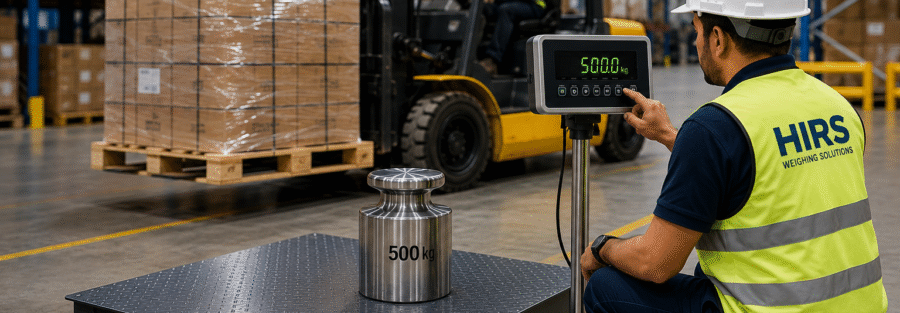
Warehouses are busy and are high-pressure environments. Forklifts move constantly, shift changes happen quickly, and hundreds of weight-based transactions take place every single day. In the middle of all this activity, human error is not a question of if — it is a question of how often. And in most cases, the root cause traces back to one thing: inaccurate or improperly maintained weighing equipment. This is exactly where a qualified static weighing system dealer becomes one of the most valuable partners a warehouse operation can have.
Table of Contents
Where Human Error Actually Begins
Most warehouse managers assume human error means a worker writing down the wrong number or misreading a display. That does happen. But the deeper problem is usually the equipment itself. A scale that has not been calibrated recently would give a reading that may look correct but will be wrong. A platform that has been installed on an uneven surface will distribute weight incorrectly. A weighing indicator that has not been serviced will drift over time without anyone noticing.
Workers trust what the scale tells them. When the scale is wrong, every decision made from that reading is wrong too. Stock records become unreliable. Shipments go out under or over the declared weight. Supplier invoices do not match what was actually received. It will not look like an equipment problem from the outside. It looks like the staff are making mistakes.
What a Static Weighing System Dealer Actually Does to Fix This
The contribution of a static weighing system dealer goes far beyond delivering equipment to a loading dock. The right dealer is involved from the very beginning and stays involved long after installation.
1)Correct installation from day one — A properly installed static weighing system sits level, connects accurately to its indicator, and is tested under real load conditions before it is handed over. This single step eliminates a significant category of reading errors that plague warehouses using self-installed or poorly set up equipment.
2)Regular calibration and verification — A certified static weighing system dealer schedules calibration at regular intervals that match the intensity of use. For a warehouse having hundreds of transactions daily, annual calibration won’t just be enough. Regular calibration helps to ensure that the system is good to use and every reading that they rely on is correct.
3)Staff orientation and proper use — The misuse of equipment is one of the main causes of weighing errors on the warehouse floor. Overloading a platform, placing loads off-centre or ignoring error indicators are all habits that happen when nobody has told you the correct operating procedure. A reliable static weighing system dealer ensures that the people using the equipment understand how to use it correctly from the start.
4)Software integration that removes manual handling — When weight data flows automatically from the scale into stock management or billing software, the opportunity for transcription errors disappears entirely. A good static weighing system dealer can set up this integration so that human hands never touch the data between the weighing point and the record.
The Relationship That Leads to Low Errors
The target of low human error is not a one time fix. It requires consistent attention. Age of equipment , usage patterns change and new staff join who may not have received proper training. An Annual Maintenance Contract with a good static weighing system dealer can help in keeping the problems in check. Regular visits, prompt response to faults and proactive recalibration mean the system performs perfectly week after week without warehouse managers having to contact anyone for support.
Why the Choice of Dealer Matters More Than the Equipment Brand
Two warehouses can install identical static weighing systems and can get 2 different results based entirely on their dealer. One gets proper installations, regular servicing and trained staff. The other gets a delivery and an invoice. The difference in error rates between those two operations over twelve months is significant.
Choosing the right static weighing system dealer is not a procurement decision. It is an operational one. At HIRS Global we have been supporting warehouse and industrial operations across the UAE and Saudi Arabia for over 54 years — because accurate weighing and the expertise behind it are never just about the machine.
Contact HIRS Global today to find the right static weighing solution for your warehouse.
FAQ
How often should weighing equipment be calibrated?
The frequency depends on usage. High-volume warehouses typically require more frequent calibration to maintain accuracy.
What are the benefits of integrating weighing systems with software?
Integration automates data transfer, reduces manual entry, improves record accuracy and saves time.
What are the common causes of weighing errors in warehouses?
Weighing errors are often caused by poor calibration, incorrect equipment installation, lack of maintenance and improper use of weighing systems by staff.