In industries such as logistics, manufacturing, and forklift loading, the importance of precise weight measurements cannot be overstated. A malfunctioning load cell—often overlooked—can lead to inaccurate readings that, over time, can silently erode profits. Here’s how to spot a failing load cell early, troubleshoot the issue, and avoid costly downtime in your weighing systems.
Why Load Cell Failures Hurt—and a Real-World Cost Example
Consider a warehouse in Dubai shipping 50,000 units daily via forklifts. If the load cell used for measuring weight overestimates by just 0.5%, the business would be giving away excess product worth AED 15,000 per day. Over a month, this translates to a massive loss of AED 450,000—entirely preventable with regular load cell checks and calibration. The lesson? Proactive detection of a bad load cell can save your business from unnecessary losses, keeping operations lean and profitable.
What Exactly Is a Load Cell?
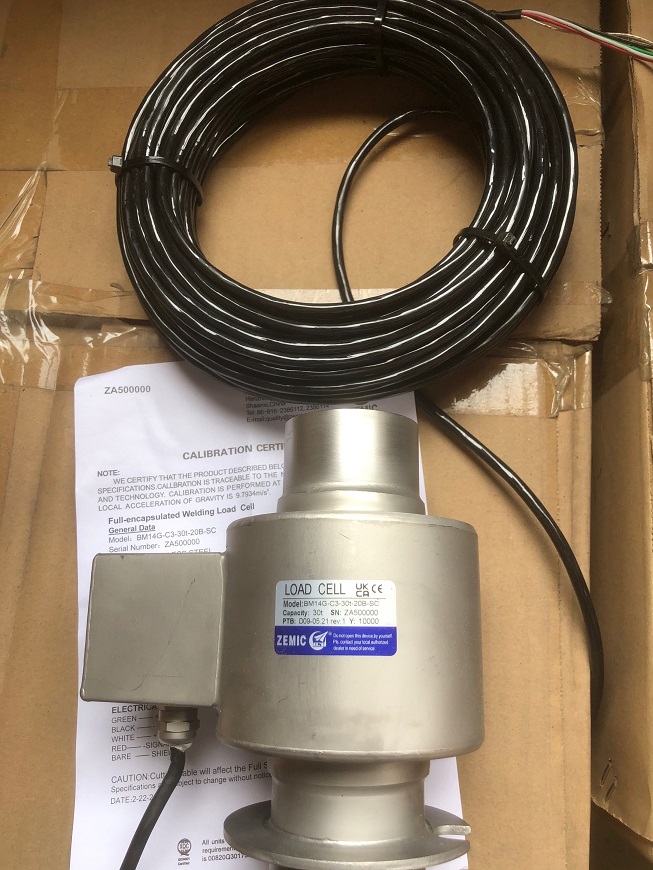
A load cell is a sensor that converts mechanical force, or weight, into an electrical signal for accurate measurement. Load cells are the backbone of many weighing systems in industries such as logistics, manufacturing, and packaging. From food processing to construction in the UAE, these sensors help ensure that every load is accurately measured.
There are several types of load cells used in different industries:
- Strain gauge load cells: Ideal for high-precision tasks such as forklift payload checks.
- Hydraulic load cells: Built for heavy-duty, rugged environments.
- Pneumatic load cells: Suited for hazardous areas, especially those dealing with dust or chemicals.
Their primary function is to ensure the accuracy of weight measurements to streamline workflows and ensure compliance with industry regulations.
Top Warning Signs of a Bad Load Cell
How can you tell if a load cell is malfunctioning? Watch out for these warning signs to catch problems early:
- Unstable Readings: If the weight readings fluctuate erratically under the same load, it’s a sign of internal strain or wiring faults.
- Zero Drift: If the output drifts up or down over time with no change in the load, this could be due to a loss of calibration or temperature shifts.
- Physical Wear: Cracks, bends, rust, or dents on the load cell’s body compromise its integrity and can cause inaccurate readings.
- Signal Spikes: If the electrical output fluctuates unpredictably, even with a steady load, check for poor cable connections or frayed wires.
Spotting these issues early, especially in high-stakes environments like busy UAE ports, can prevent costly mistakes.
Simple Step-by-Step Troubleshooting Guide
If you suspect a problem with your load cell, follow these steps to troubleshoot the issue:
- Visual Inspection: Look for cracks, corrosion, or loose mounts. Clean the area gently with compressed air to remove debris.
- Verify Wiring: Tighten any loose connections and check for frayed cables or poor grounding.
- Test with a Multimeter: Measure the resistance across wires (e.g., excitation at ~350 ohms for strain gauge load cells) and test the output voltage under known loads.
- Simulate Loads: Use a load cell tester to simulate weights and compare the readings against the specifications.
- Use Digital Simulators: For more advanced troubleshooting, use digital simulators to pinpoint subtle faults.
Why Calibration Can’t Be Skipped
Calibration is crucial for maintaining the accuracy of load cells. It should be done every 6-12 months or after heavy usage to maintain ±0.1% accuracy. Regular calibration ensures compliance with industry standards and can prevent fines, particularly in regulated industries like UAE transport.
Proven Tips to Extend Load Cell Life
Taking care of your load cells can prevent many failures and maximize their lifespan. Here are some tips:
- Daily Checks: Regularly wipe away debris and inspect mounts for signs of damage caused by vibrations.
- Environmental Controls: Keep the temperature between 4-27°C, shield load cells from moisture and humidity, and use IP-rated enclosures in dusty environments.
- Shock Prevention: Ensure secure mounting to absorb shocks, especially in forklift zones.
- Professional Maintenance: Partner with trusted suppliers for annual maintenance and repairs. Many UAE providers offer on-site servicing for load cells.
HIRS Global: Your Trusted Weighing Scale Supplier
When it comes to ensuring accurate load measurements, HIRS Global is a leading weighing scale supplier offering high-quality load cells and dynamic weighing systems. Our products are designed for industries in the UAE, Saudi Arabia, and beyond, helping businesses streamline their operations and avoid costly load cell issues.
Identifying and fixing issues with load cells early can save businesses from significant losses and ensure the accuracy of their weighing systems. By following troubleshooting steps, ensuring regular calibration, and partnering with a trusted weighing scale supplier like HIRS Global, companies can avoid downtime, optimize productivity, and safeguard profits.
For more information or to purchase top-tier weighing systems, contact HIRS Global today! Our expert team is ready to provide tailored solutions to meet your needs.
Website: https://hirsglobal.com/
Email: sales@hirsglobal.com
Dubai-UAE: +971506971524
Saudi Arabia: +966501718248 / +966562562235
What is a load cell, and why is it important?
A load cell is a sensor that converts mechanical force into an electrical signal for accurate weight measurements. It’s crucial for industries like logistics, manufacturing, and construction to ensure precise data.
How can I spot a failing load cell?
Look for unstable readings, zero drift, physical damage, or signal spikes. These issues signal potential load cell failure, which can compromise weight accuracy and operations.
How often should load cells be calibrated?
Load cells should be calibrated every 6-12 months or after heavy use to maintain accuracy and compliance with industry standards, avoiding costly mistakes and downtime.