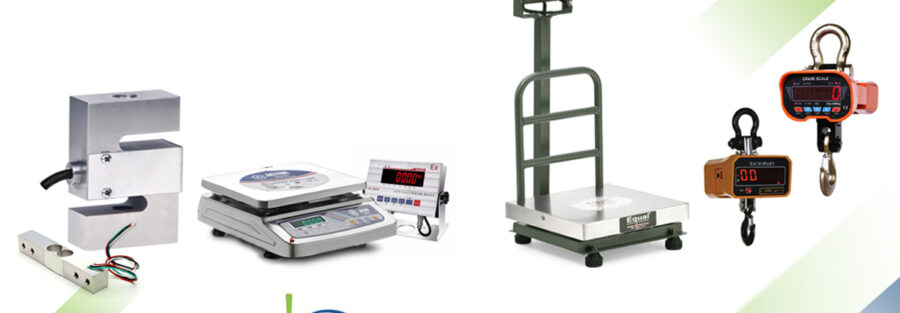

Weighing scales and balances form the backbone of precise measurement across industries, homes, and labs. Understanding their types, differences, and principles helps select the ideal tool for accurate results.
Why Weighing Scales Matter
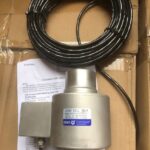
Modern weighing scales evolved from simple mechanical designs to advanced digital systems using load cells and strain gauges. These devices convert mechanical force into electrical signals for reliable readings. Industries like manufacturing, healthcare, and retail depend on them for quality control and efficiency. Reliable suppliers ensure equipment meets specific needs.
Core Working Principles
Most contemporary scales rely on load cells, where strain gauges detect deformation under weight, producing proportional electrical signals. Mechanical types use springs or beams for balance. Analytical models add draft shields to block air currents. Calibration, either manual or automatic, maintains accuracy across all types.
Semi-Micro and Analytical Balances
These high-precision tools measure down to 0.0001g or 0.01mg, ideal for labs handling fine samples . A transparent draft shield protects against drafts and dust, ensuring stability. They feature internal or external calibration with built-in weights for consistent performance.
The working principle involves electromagnetic force restoration: the system counters sample weight with an opposing force, measured precisely. Capacities stay low to prioritize readability. Labs and research centers favor them for chemical analysis.
Precision Scales Explained
Offering readability from 0.1g to 0.001g, precision scales handle higher capacities than analytical ones while maintaining superior accuracy over basic platforms . They suit food processing, quality testing, and construction sites.
Load cell technology drives them, with robust builds for rugged environments. Unlike analytical balances, no full enclosure exists, allowing faster use but requiring stable conditions. Differences include greater load tolerance and versatility in dynamic settings.
Bench Scales in Action
Placed on tables or counters, bench scales manage 1.5kg to 60kg with 0.05g readability and long battery life . Warehouses, retail, and manufacturing use them for daily tasks.
Strain gauge load cells form the core, distributing weight evenly across platforms. Compared to precision scales, bench models prioritize capacity over ultra-fine accuracy, with customizable sizes for tight spaces. Quick setup and portability set them apart.
| Feature | Precision Scales | Bench Scales |
| Readability | 0.1g-0.001g | 0.05g |
| Capacity | Low-Medium | 1.5-60kg |
| Environment | Controlled | Industrial |
| Portability | Moderate | High |
Counting Scales Mechanics
Counting scales tally identical items by weighing a sample and extrapolating totals using the formula: Number of items = Total weight / Average piece weight. Displays show unit weight, total weight, and count.
First, tare the container, weigh a sample (e.g., 20 pieces at 100g total means 5g each), then add bulk items for automatic calculation. Features like memory storage and accumulation boost efficiency in groceries or factories. Unlike basic bench scales, software integration handles inventory precisely.
Medical and Health Scales
Medical scales measure adults, infants, or patients with added height and BMI functions . Variants include wheelchair ramps for mobility-impaired users and bariatric models for high capacities.
Load cells ensure gentle, accurate readings in clinics and gyms. Health scales add body fat and water metrics via bioelectrical impedance. Differences from kitchen scales lie in hygiene standards and patient-focused designs like non-slip platforms.
- Baby scales: Cradle-shaped for newborns.
- Chair scales: Seat-integrated for elderly.
- BMI models: Connectivity for tracking .
Crane Scales for Heavy Loads
Hanging from cranes, these scales weigh up to 10,000kg using sturdy hooks and large displays . Construction and plants integrate them seamlessly.
A load cell senses tension as hooks suspend loads, converting strain to signals displayed digitally. Battery-powered with tare functions, they outperform bench scales in overhead applications. Polycarbonate or alloy builds resist harsh conditions.
Kitchen and Portable Scales
Kitchen scales cap at 10kg+ for ingredients, using tare to zero bowls sequentially. Strain gauges provide quick digital readouts, minimizing mess.
Portable versions offer 0.001g-0.05kg readability in compact forms for travel or classrooms . Spring mechanisms suit basic models, while digital ones use load cells. Lightweight design differentiates them from stationary types.
Luggage and Specialized Scales
Strap-equipped luggage scales check up to 50kg to avoid airline fees . Hook onto bags for instant tensile readings via load cells.
Portable scales overlap here, adding dynamic weighing. Key difference: focus on travel durability versus lab precision.
Key Differences Across Types
Scales vary by capacity, readability, and environment.
| Scale Type | Capacity Range | Readability | Primary Use | Principle |
| Analytical | Low (<200g) | 0.0001g | Labs | Force restoration |
| Precision | Medium | 0.001g | Testing | Load cell |
| Bench | 1.5-60kg | 0.05g | Warehouses | Strain gauge |
| Crane | Up to 10t | 1kg+ | Heavy lift | Tension load cell |
| Counting | Varies | 0.1g+ | Inventory | Sample division |
| Medical | 150-500kg | 0.1kg | Health | Bio-impedance add-ons |
Analytical excel in finesse; crane in power. The bench offers balance .
Selecting the Right Scale
Match capacity, environment, and features to needs. Labs need enclosures; factories durability. Regular calibration prevents drift.
As a leading weighing scale supplier, HIRS Global provides tailored solutions across the UAE and Saudi Arabia. Their industrial and retail ranges ensure precision.
Partnering with Trusted Suppliers
Reliable partners offer calibration and support. HIRS Global stands out for comprehensive scales from bench to crane models.
For a weighing scale supplier like HIRS Global delivers robust options.
Maintenance Best Practices
Zero scales daily, avoid overloads, and clean platforms. Store in stable conditions to preserve load cells. Professional servicing extends life.
HIRS Global supports calibration services. As your weighing scale supplier, they ensure compliance.
Future Trends in Weighing Tech
Wireless connectivity and AI integration enhance data logging. Expect higher capacities with compact designs.
Businesses gain from suppliers like HIRS Global for cutting-edge tools.
Weighing scales drive efficiency when chosen wisely. Consult experts for optimal fits.
Website: https://hirsglobal.com/
Email: sales@hirsglobal.com
Dubai-UAE: +971506971524
Saudi Arabia: +966501718248 / +966562562235
What are the different types of weighing scales, and how do they differ?
There are various weighing scales, such as analytical balances, precision scales, bench scales, medical scales, and crane scales. Each is designed for specific applications, such as high precision in labs or heavy-duty use in construction.
How can I choose the right weighing scale for my business?
To choose the right weighing scale, consider factors like load capacity, readability, and the environment where it will be used. HIRS Global, a trusted weighing scale supplier, offers expert advice and customized solutions to match your business needs.
Why is regular calibration important for weighing scales?
Regular calibration ensures the accuracy and reliability of your weighing scale, preventing measurement errors. HIRS Global, as a leading weighing scale supplier, provides calibration services to keep your equipment functioning at its best.